Vanka Lecture Series
Explore the deep-seated history of Pittsburgh’s industrial landscape, the Croatian immigrant journey, and the powerful intersection of art and labor activism.

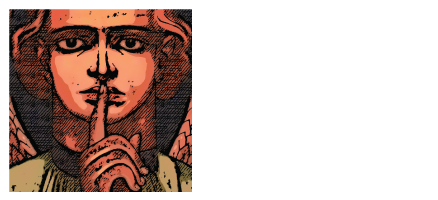
Explore the deep-seated history of Pittsburgh’s industrial landscape, the Croatian immigrant journey, and the powerful intersection of art and labor activism.
From the “furnace” of the early 20th-century steel mills to the contemporary fight for workers’ rights, each session invites you to engage with scholars, historians, and activists. We invite you to stay after each talk to share “worker food” refreshments, meet the speakers, and discuss the enduring relevance of Maxo Vanka’s sacred and social justice-driven art.
3:00 – 3:15pm – Doors open, arrival, welcome
3:15 – 4:00pm – Lecture
4:00 – 4:15pm – Q&A
4:15 – 5:00pm – Ask Me and reception

A three-person panel of United Steelworkers staff will discuss how labor demand and policy has driven immigration in the United States and shaped the ethnic profile of America throughout US history. From agriculture, basic industry to a newly emergent service economy, the panel will explore how employers have historically solicited and benefited from immigrant labor and acted as the driving engine behind migration to United States.
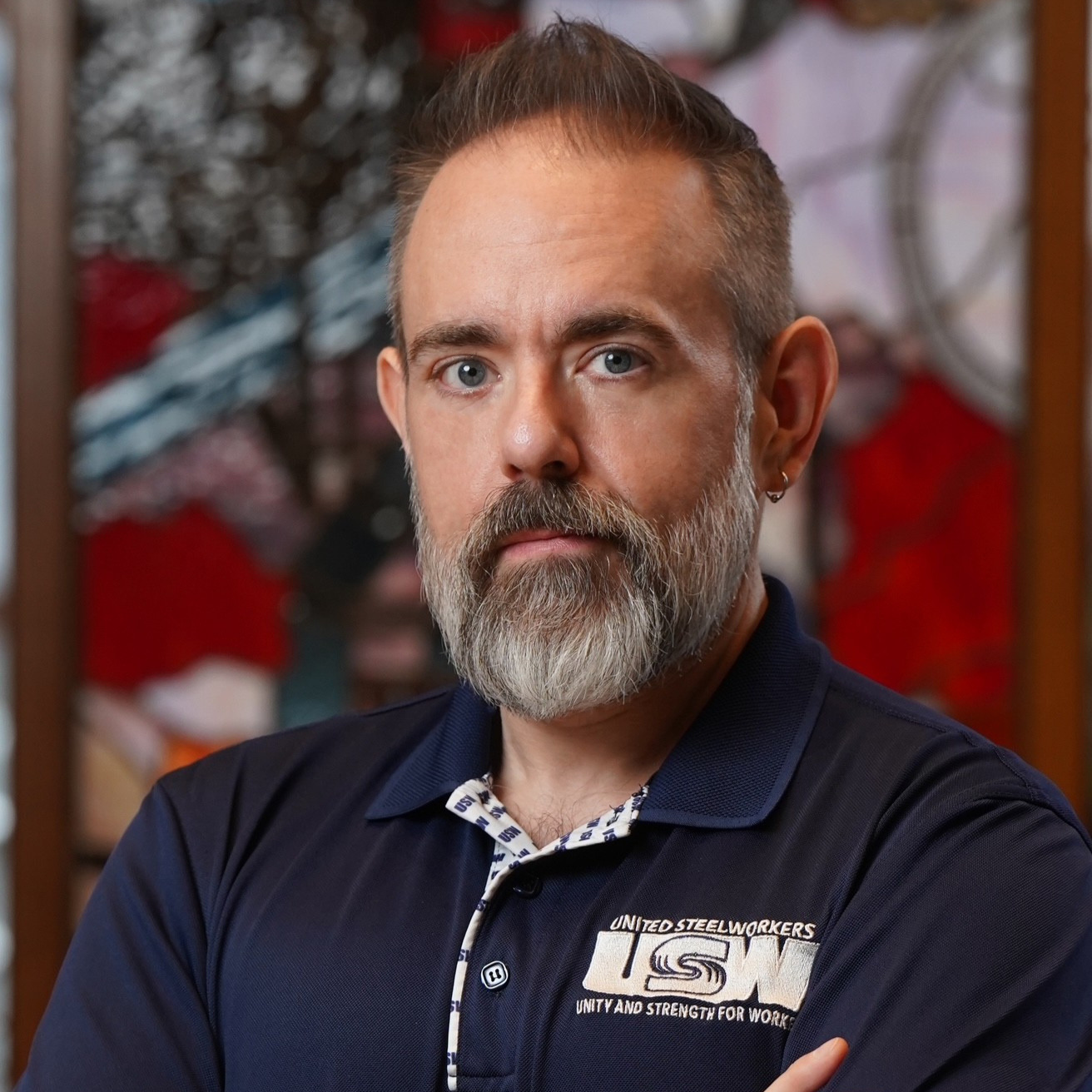
Rich Schiavoni is a Pittsburgh native whose dedication to the labor movement is rooted in the legacy of his Italian and Slovak immigrant relatives who labored in the region’s steel mills and railroads. Rich honors that history as a formidable leader in higher education organizing and as an educator for over 20 years. As a labor educator and organizer, Rich helped the faculty at the University of Pittsburgh win their campaign to unionize as members of the United Steelworkers. As a long-serving adjunct history and political science professor at Point Park University, Rich remains deeply embedded in the classroom, bringing real-world labor dynamics and practical knowledge to his students to empower the next generation. In his role, he fiercely advocates for adjunct professors, contingent faculty, and campus workers.
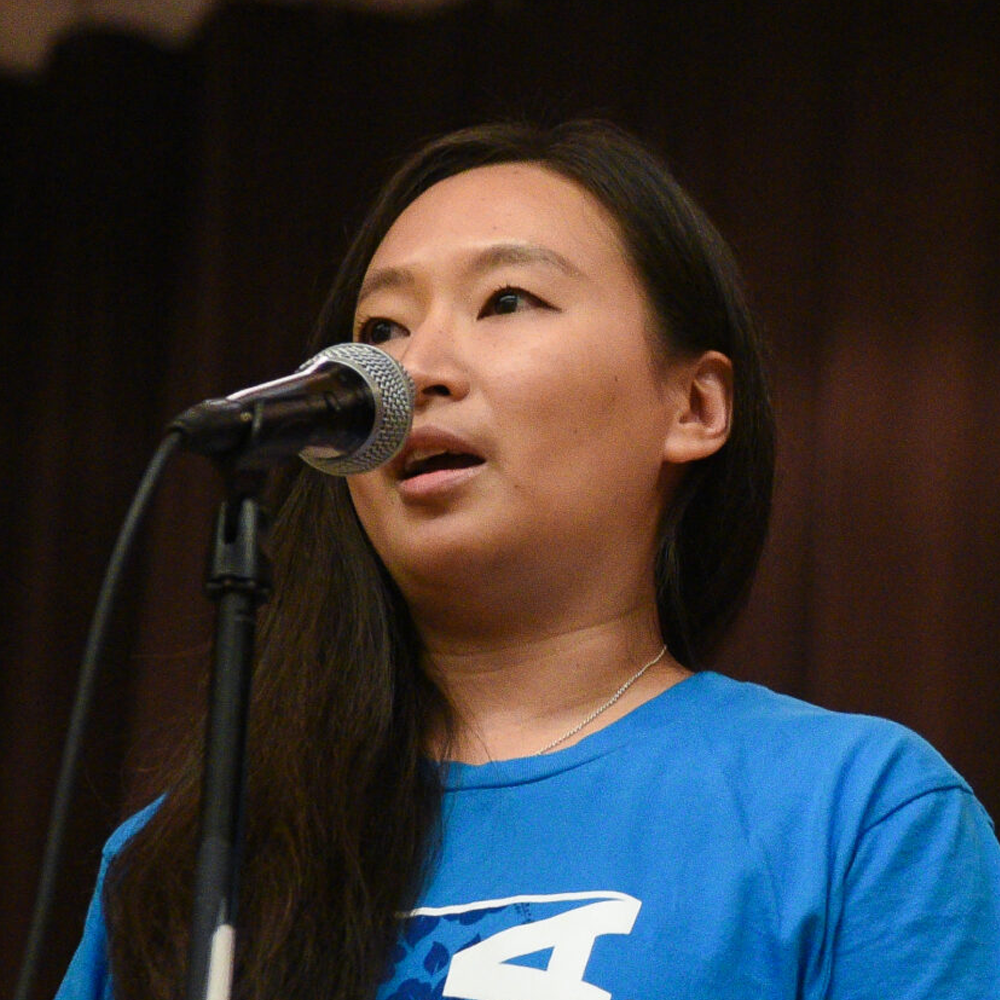
Sabrina Yow-chyi Liu has been working at the United Steelworkers (USW) union in the Strategic Campaigns Department since December 2014. She conducts leverage research and works with USW members to build power against corporate greed during contract negotiations and labor disputes. She is the president and co-founder of APALA Pittsburgh (Asian Pacific American Labor Alliance Pittsburgh Chapter) which promotes immigrants’ and workers’ rights. She is also the president of KITA Foundation which focuses on community story-telling and oral history interview of Taiwanese freedom fighters and human rights defenders who lived in Pittsburgh from 1960s-1980s. Sabrina is an immigrant and a native of Taipei, Taiwan.
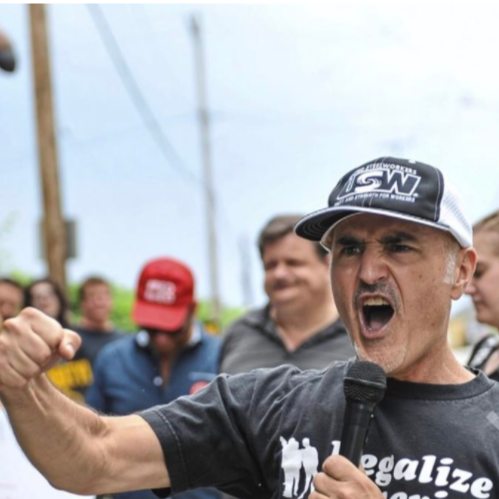
Guillermo Perez is a volunteer community organizer with Casa San José, an immigrant resource center based in Pittsburgh, Pennsylvania. Before retiring in 2023 Guillermo worked as a labor educator and bargaining agent for the United Steelworkers (USW) and the American Federation of State, County, and Municipal Employees (AFSCME). Guillermo currently serves as Secretary-Treasurer of the Pittsburgh chapter of the Labor Council for Latin American Advancement (LCLAA), of which he is a founding member. LCLAA (aka, the Latino House of Labor) is a nonpartisan Latino organization affiliated with the AFL-CIO headquartered in Washington, D.C. with local chapters throughout the country. LCLAA’s mission is to support Latino working families by serving as a bridge between the Latino community and organized labor.
Moderator: Meredith Stepp has worked in the labor movement and for various labor unions for over twenty-five years. Currently, Meredith works as a labor educator within the United Steelworker’s Education and Membership Development Department. Prior to joining the USW, Meredith worked as a labor educator for the University of Arkansas at Little Rock for eight years where she taught topics in union building and contract administration to union representatives, officers, and members across the U.S. and Canada. Meredith is Board Chair of the Society to Preserve the Millvale Murals of Maxo Vanka and has a love for all things social justice and art.
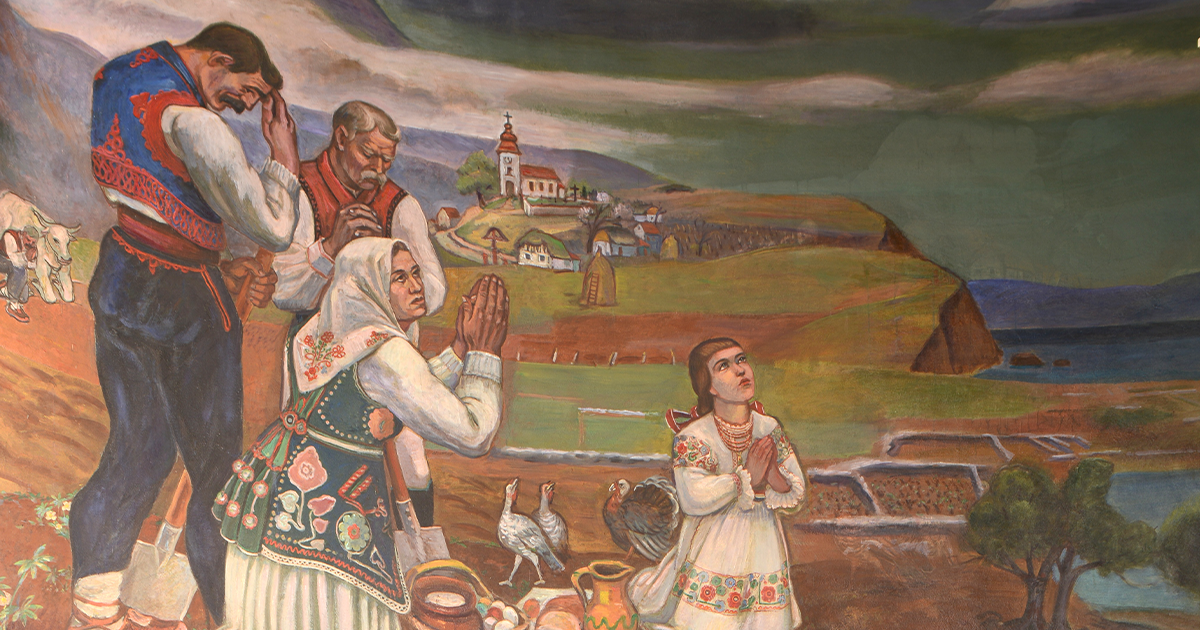

Through the 19th and 20th centuries, Pittsburgh’s steel mills shaped not only the river valleys but also the lives of the people who powered the industry. While steelwork is often remembered as a man’s world, women—many from immigrant families—played vital and often overlooked roles in the mills and the communities that grew around them. Join Dr. Kirsten Paine (Museum Education & Historic Interpretation Manager) and Barney Terrell (Curator of Collections & Interpretive Specialist) from Rivers of Steel for conversation that explores how women contributed to industrial labor, supported family economies, and navigated the challenges of immigration, cultural change, and demanding work in the heart of America’s most significant steel-producing region.
Dr. Kirsten L. Paine is an educator and researcher with over a decade of experience in higher education and public humanities. She holds a PhD from the University of Pittsburgh and specializes in 19th-century industrial labor, American literature, and the Civil War. At Rivers of Steel, Kirsten creates programs that bring the National Heritage Area’s history to life through archival study and primary sources. A dedicated public historian, she is currently authoring a book on female Civil War nurses, soldiers, and spies.
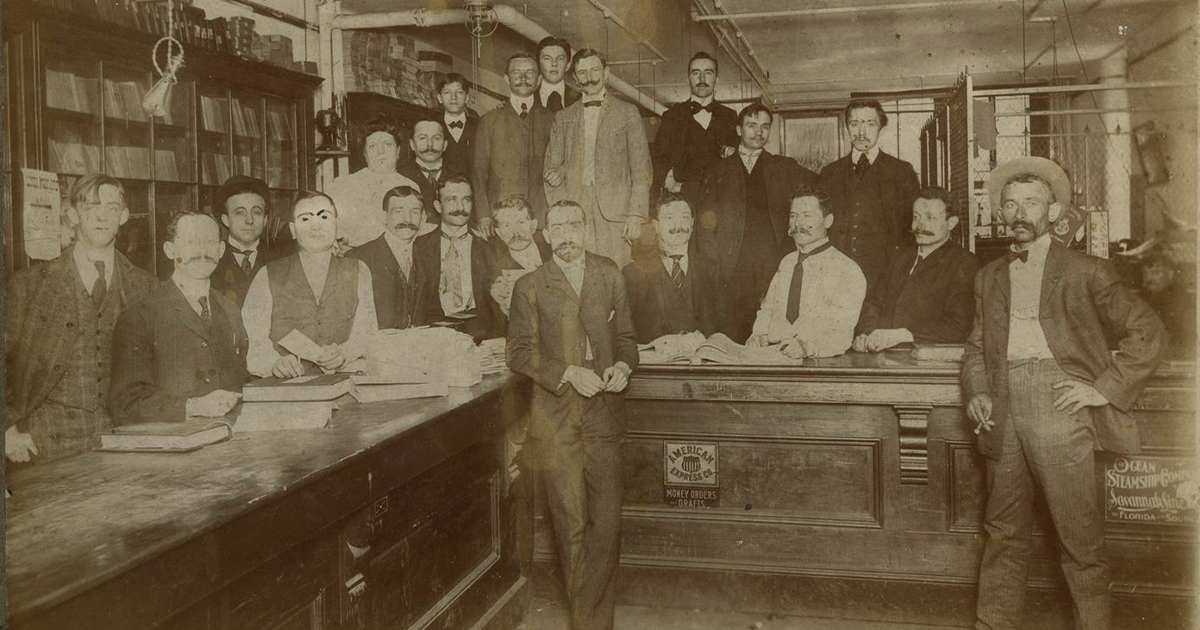
Into the Furnace: Croatian Immigrants in Pittsburgh
Speaker: Michael Secilia
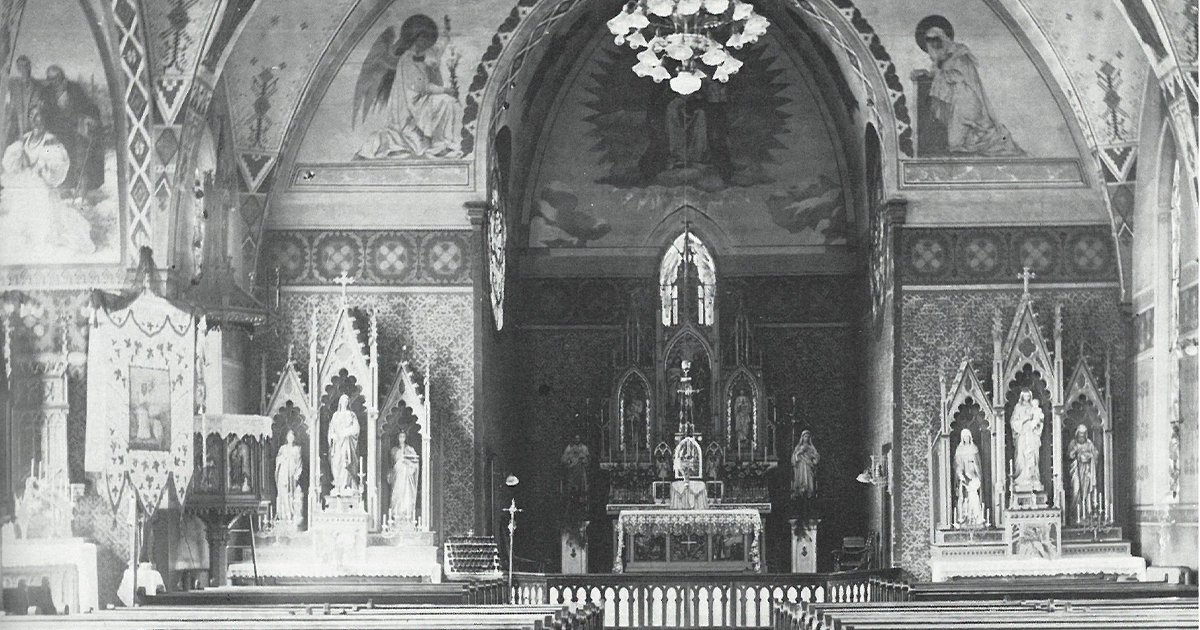
“Something of Narod”: Croatian Immigrant Church Murals Before and After the Johnson-Reed Act
Speaker: Dr Heidi Cook